

Emergency Hotline
+(603) 5515 1999

Appointments
+(603) 5515 1966
General Line
+(603) 5515 1888

 October 12, 2026
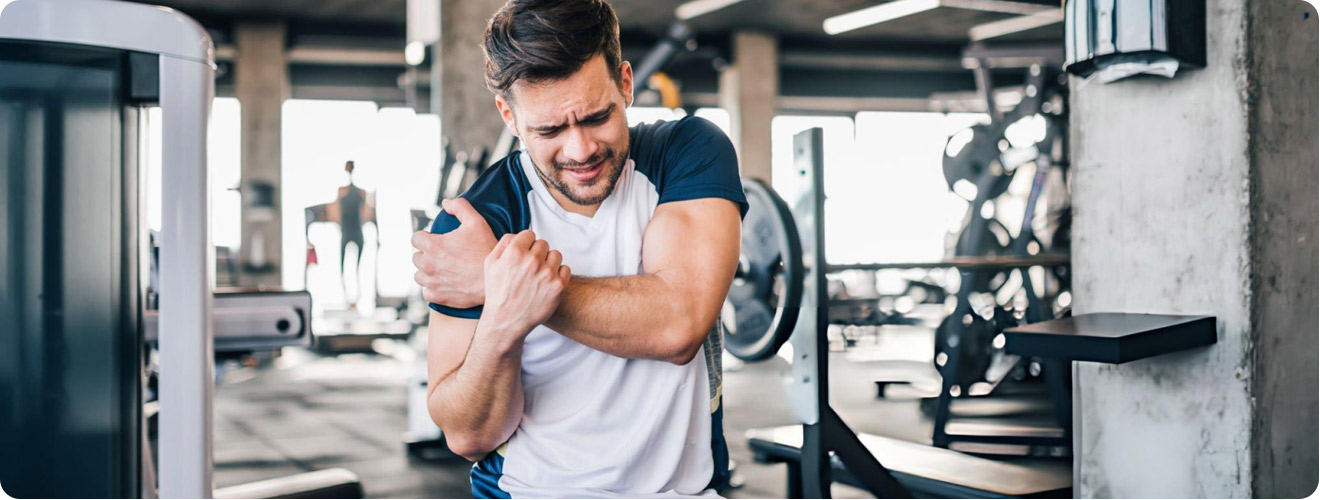
For many people, weightlifting is more than exercise. It is a way to build strength, improve fitness and feel confident in their bodies. But when shoulder pain starts during a bench press, shoulder press or another demanding movement, it can be difficult to know whether it is simply muscle soreness or something more serious. One possible cause is a rotator cuff injury.
Rotator cuff tears are among the common causes of shoulder pain and weakness. They can develop gradually as the tendons become worn over time, or they can happen suddenly when a strong force places too much stress on the shoulder. Repetitive heavy lifting and certain sports can increase the strain placed on the rotator cuff. For people who lift weights regularly in Malaysia, understanding the warning signs can help prevent a manageable shoulder problem from becoming a long-term limitation.
The rotator cuff is a group of four muscles and their tendons that surround the shoulder joint. Together, they help keep the upper arm bone securely positioned in the shoulder socket while allowing the arm to lift and rotate. The shoulder has an impressive range of movement, but that flexibility also means its muscles and tendons need to work hard to provide stability. During weightlifting, particularly exercises involving pressing, pulling or lifting the arms overhead, the rotator cuff helps control the movement of the shoulder.
A rotator cuff tear occurs when one or more of these tendons is damaged. A tear may be partial, meaning some tendon fibres remain attached, or full thickness, meaning the tendon is completely separated from its attachment to the bone. Importantly, not every painful shoulder in a weightlifter has a rotator cuff tear. Shoulder pain may also come from tendon irritation, bursitis, arthritis, a biceps tendon problem or an injury involving another structure. A proper assessment is therefore more useful than trying to diagnose the problem based on pain alone.
Yes, but weightlifting does not always directly cause rotator cuff tears. The risk depends on factors such as tendon health, age, training intensity, and trauma. Rotator cuff tendons naturally become less resilient as we age. Repetitive overhead movements or heavy lifting can put extra stress on these tendons. A tear may develop gradually or happen suddenly during a heavy lift, particularly if the tendon is already damaged. You may notice shoulder pain or weakness before a tear occurs, although some tears happen without warning. While rotator cuff tears are more common with age, younger people can also experience them after significant injury or repetitive sports activity.
There is no single exercise that automatically causes a rotator cuff tear. Technique, load, training volume, previous injuries, individual anatomy and tendon health all matter. Exercises that place substantial demand on the shoulder include:
The problem is not necessarily the exercise itself. A properly programmed strength-training routine can be beneficial for overall health and muscular function. Risk may increase when someone suddenly increases the weight, training frequency or volume, continues exercising despite worsening pain, or uses a technique that places excessive stress on the shoulder. A sensible training programme should allow adequate recovery and progressive increases in workload rather than sudden jumps in intensity.
Symptoms vary depending on the size and location of the tear and whether the injury developed gradually or occurred suddenly. Common symptoms include shoulder pain, weakness and difficulty moving the arm. Pain may be felt around the outer or side portion of the shoulder and may become worse when reaching overhead or lifting the arm away from the body. Night pain is also common and can interfere with sleep. A weightlifter may notice symptoms such as:
Some rotator cuff tears cause little or no pain, particularly when they develop gradually. Conversely, significant shoulder pain does not necessarily mean that a tendon is torn. This is why symptoms need to be interpreted together with a physical examination and, when appropriate, imaging.
Mild muscle soreness after an unfamiliar workout can be normal, particularly when it improves with rest. Persistent or worsening shoulder pain deserves more attention. You should consider medical assessment if shoulder pain continues despite reducing the activity that triggered it, repeatedly returns during training, interferes with sleep or daily activities, or is accompanied by noticeable weakness.
More urgent assessment is appropriate if you experience sudden weakness or an inability to raise the arm after a significant injury. An acute tear may require prompt evaluation, particularly when the injury occurs after a fall, dislocation or sudden heavy force. Do not try to “train through” sudden weakness simply because you are committed to your programme. Continuing to load an injured shoulder without knowing the cause can make recovery more difficult.
Diagnosis usually begins with a detailed history and physical examination. A doctor may ask when the pain began, whether there was a specific injury, which exercises make it worse and whether you have noticed weakness or restricted movement. The shoulder may then be assessed through a series of movement and strength tests.
Imaging can provide additional information. An X-ray does not usually show the tendon tear itself, but it can help identify other causes of shoulder symptoms, including arthritis or bone changes. Ultrasound can examine the rotator cuff dynamically, while MRI provides detailed images of the tendons and other shoulder structures. An MRI is not automatically required for every episode of shoulder pain. The appropriate investigation depends on the clinical findings, severity and suspected cause.
A rotator cuff tear does not automatically mean that surgery is necessary. Treatment depends on several factors, including the person’s age, activity level, symptoms, tear characteristics, cause of injury, general health and treatment goals. For many people, initial treatment is non-surgical. This may include modifying activities that aggravate the shoulder, appropriate pain management and a structured physiotherapy programme.
Physiotherapy focuses on restoring shoulder movement and strengthening the muscles that support and control the joint. Recent evidence continues to support exercise-based rehabilitation as an important treatment approach for rotator cuff-related shoulder pain. A 2026 systematic review and meta-analysis found exercise therapy to be an effective first-line approach compared with passive conservative treatments. The aim is not simply to make the pain disappear. Rehabilitation should help restore useful shoulder function so that a person can gradually return to everyday activities and, when appropriate, sport.
Surgery may be considered when symptoms remain significant despite appropriate non-surgical treatment, when there is substantial weakness or functional limitation, or in selected cases involving an acute traumatic tear. The decision is individual. A highly active person who relies heavily on shoulder strength for work or sport may have different treatment goals from someone whose daily activities are only mildly affected.
Surgical options include arthroscopic rotator cuff repair, in which small incisions are used to insert a camera and specialised instruments and reattach the tendon to bone. More complex or irreparable injuries may require other procedures, depending on the condition of the tendon and shoulder joint. Surgery is only one part of recovery. Rehabilitation afterwards is essential, and returning to heavy lifting too soon can compromise recovery.
Recovery varies considerably. Someone with a mild rotator cuff-related problem managed without surgery may gradually improve over weeks to months with appropriate activity modification and rehabilitation. A surgically repaired tendon generally requires a much longer period of protected recovery and progressive rehabilitation.
People considering a return to weightlifting should not use pain alone as the measure of readiness. Shoulder range of motion, strength, control and the ability to perform functional movements safely are also important. Your doctor and physiotherapist can guide the progression from basic movement to resistance exercises and eventually back to heavier training. Patience matters. Rotator cuff rehabilitation is often a gradual process rather than a quick fix.
Not every rotator cuff tear can be prevented, particularly when age-related tendon changes are involved. However, weightlifters can take practical steps to reduce avoidable stress on the shoulder. Start by progressing training loads gradually. Avoid making large increases in weight or training volume simply because a previous session felt easy.
Good technique also matters. If an exercise consistently causes sharp or increasing shoulder pain, do not assume that pain is simply part of getting stronger. Stop and reassess the movement, load and recovery period. A balanced strength programme is another useful strategy. Training should not focus exclusively on the largest visible muscles. The muscles responsible for shoulder stability and movement also need appropriate conditioning.
Recovery should be treated as part of training rather than time lost from training. Adequate rest between demanding sessions allows the body to adapt to exercise. Finally, do not ignore recurring shoulder pain. Early assessment can help distinguish an overload problem from a more significant tendon injury.
The goal of treatment is not simply to get through the day without pain. For an active person, it is often to return safely to the activities they enjoy. A return-to-weightlifting programme should be gradual. Initially, exercises that provoke pain or place excessive demand on the injured shoulder may need to be modified or avoided. As movement and strength improve, resistance can be progressively increased under professional guidance.
There is no universal timetable that tells every weightlifter when to return to heavy bench presses or overhead lifts. The appropriate progression depends on the injury, treatment and recovery. If surgery has been performed, the return to heavy training should follow the surgeon’s and rehabilitation team’s protocol rather than an athlete’s preferred timeline.
Shoulder pain is common, but persistent pain or weakness should not simply be accepted as part of getting older or exercising. For people in Malaysia, particularly those who regularly participate in weightlifting, gym training or sports, seeing an orthopaedic and sports injury specialist can help establish the cause of persistent symptoms and determine the most appropriate treatment.
At Avisena Specialist Hospital, Dr Khaizatul Ezam Abu Bakar is a Consultant Orthopaedic & Trauma Surgeon with a focus on arthroscopy and sports injury. His specialist background includes extensive training and experience in sports injury and arthroscopic surgery, including procedures involving the shoulder. If you have ongoing shoulder pain, weakness after weightlifting, or a suspected rotator cuff injury, a specialist assessment can help you understand what is happening and what your options are.

If you are experiencing persistent shoulder pain or suspect a weightlifting-related rotator cuff injury, consider making an appointment with Dr Khaizatul Ezam and receive the care you deserve.
Weightlifting is a great way to build strength, but persistent shoulder pain should not be dismissed as normal gym soreness. A rotator cuff tear can develop gradually or happen suddenly. Pain, especially at night, weakness, or difficulty with familiar movements may be signs of an injury.
Treatment does not always require surgery. Many people improve with activity changes and rehabilitation, while others may benefit from surgery. The best treatment depends on the individual. If shoulder pain is affecting your workouts or daily activities, an accurate diagnosis is the first step toward recovery.
Medical Disclaimer: This content is for informational purposes only and does not constitute medical advice, diagnosis, or treatment. If you experience shoulder pain or suspect a rotator cuff injury, consult a qualified healthcare professional for proper evaluation and personalized guidance.
Yes. Heavy lifting can place substantial force on the shoulder and may contribute to an acute tear, particularly when a tendon is already weakened. However, many rotator cuff tears develop gradually because of tendon degeneration rather than being caused by one specific exercise or workout.
No. Shoulder pain can have many causes, including rotator cuff tendinopathy, bursitis, biceps tendon problems, arthritis and other injuries. A physical examination is important because symptoms can overlap.
Typical symptoms include shoulder pain, weakness and difficulty lifting or rotating the arm. Pain may worsen with overhead activity or at night. Some people, however, have minimal symptoms despite having a tear.
Some people with rotator cuff tears can manage their symptoms and function effectively without surgery. Treatment may include activity modification, pain management and physiotherapy. Whether surgery is appropriate depends on the individual and the characteristics of the tear.
Diagnosis usually involves a medical history and physical examination. Depending on the findings, imaging such as ultrasound or MRI may be recommended. X-rays may also be useful for identifying other causes of shoulder pain.
If a particular movement causes shoulder pain, it is sensible to stop or modify that movement until the cause is understood. Avoiding painful heavy or overhead activity can help prevent further irritation. Persistent pain, weakness or sudden loss of function should be assessed by a healthcare professional.
 Call Us
Spread the love, follow us on our social media channels