

Emergency Hotline
+(603) 5515 1999

Appointments
+(603) 5515 1966
General Line
+(603) 5515 1888

 October 10, 2026
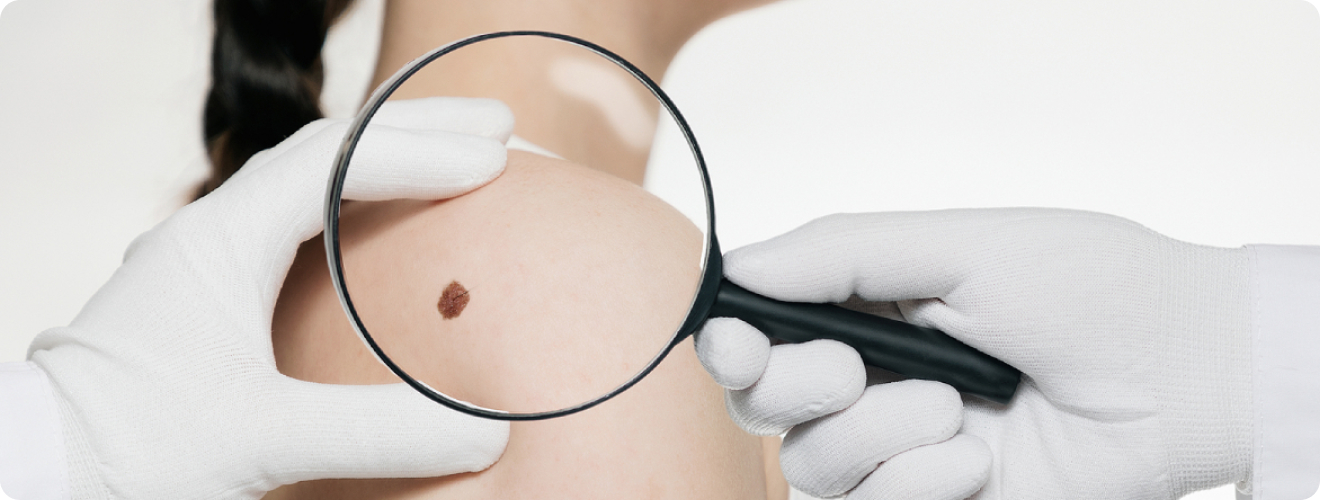
Melanoma is one of the most serious forms of skin cancer, arising from the pigment-producing cells called melanocytes. While it accounts for a small percentage of skin cancer cases, it leads to an overwhelming number of skin cancer deaths globally. Early detection is crucial, making regular mole checks essential for everyone, especially in places with high sun exposure like Malaysia. This article aims to provide a thorough understanding of melanoma, guiding you on how to identify changes in your moles and highlighting the importance of regular skin examinations.
Melanoma is characterized by the uncontrolled growth of melanocytes, which can occur anywhere on the skin but are most often found in areas exposed to the sun. While the majority of moles are harmless, some can develop into melanoma when significant changes occur in their colour, shape, or size.
There are several types of melanomas, each varying in severity and appearance:
Understanding these types is essential for recognizing potential issues with your skin.
Regularly examining your skin for any changes is vital for early detection. The American Academy of Dermatology recommends the ABCDE rule for identifying potential melanomas.
Moles or spots that are asymmetrical suggest a potential risk for melanoma. If one half of the mole does not match the other, it may require further evaluation.
Moles with jagged, irregular borders can be a cause for concern. Normal moles typically have smooth, even edges.
A mole with multiple colours, such as shades of brown, black, tan, red, white, or blue, increases suspicion for melanoma. A single, uniform colour is generally a sign of a benign mole.
Melanomas are typically larger than the size of a pencil eraser (6 mm). If a mole exceeds this size, it should be checked by a healthcare professional.
Changes in a mole’s size, shape, colour, or elevation, or any new symptoms such as bleeding, itching, or crusting, indicate that you should seek medical advice.
Understanding the risk factors can help shape preventive measures. Several factors increase the likelihood of developing melanoma, including:
Excessive sun exposure, especially during childhood, increases the risk of melanoma. UV rays can damage skin cells and lead to mutations.
Individuals with fair skin, light hair, and light eyes are at a higher risk, as they possess less melanin, which provides some protection against UV radiation.
A family history of melanoma significantly raises your risk. Individuals with multiple relatives who have had skin cancer should be vigilant in monitoring their skin.
Those who have had any form of skin cancer are at an increased risk of developing melanoma.
Regular skin checks are an important part of maintaining healthy skin and can improve the chances of detecting melanoma at an early stage, when treatment is generally more effective. Becoming familiar with your skin’s usual appearance helps you recognise new or changing moles, spots, or other unusual changes more easily. Regular checks can also help you identify changes that may otherwise go unnoticed, allowing you to seek medical advice promptly. Early detection and timely assessment are key to improving treatment outcomes and reducing the risk of melanoma progressing to more advanced stages.
Regular skin self-examinations are an important part of maintaining skin health and supporting the early detection of suspicious changes. A thorough examination should be performed in a well-lit area and include all areas of the body.
If melanoma is diagnosed, understanding the available treatment options can help patients make informed decisions in consultation with their healthcare team. Treatment is determined by factors such as the melanoma’s stage, location, overall health, and specific tumour characteristics.
Surgical removal is the primary treatment for most localized melanomas. The tumour is excised along with a margin of surrounding healthy tissue to reduce the risk of recurrence. In some cases, additional surgery may be recommended depending on the melanoma’s characteristics and stage.
Immunotherapy stimulates or strengthens the immune system’s ability to recognise and attack melanoma cells. It is commonly used for certain advanced melanomas and may also be recommended in selected cases after surgery to reduce the risk of recurrence.
Targeted therapy is an option for melanomas that contain specific genetic mutations, such as changes affecting the BRAF gene. These medicines work by targeting molecular pathways that contribute to cancer-cell growth and survival, making them particularly useful for eligible patients with advanced melanoma.
Radiation therapy uses high-energy radiation to destroy or control cancer cells. Although it is not usually the first-line treatment for localized melanoma, it may be considered in selected cases, particularly when melanoma has spread to other areas or when surgery is not appropriate.
Treatment plans should be individualized and discussed with a qualified oncology team to determine the most appropriate approach.
Regular dermatological care can play an important role in the early detection and prevention of skin cancer. An annual skin examination may be recommended for people with a personal history of skin cancer, numerous moles, or other factors that increase their risk. Those with a family history of melanoma or other skin cancers may also require more frequent monitoring, depending on their individual risk profile. However, you should not wait for a routine appointment if you notice a new or changing mole, a sore that does not heal, unusual pigmentation, or any other persistent change in your skin. Even without a known family or personal history of skin cancer, any concerning skin change is worth having assessed by a dermatologist.
Early professional evaluation can provide reassurance when a change is harmless and, when necessary, allow potentially serious conditions to be identified and treated promptly.

If you have concerns about your skin, consider making an appointment with our Dermatology Unit, where you can consult with experienced dermatology specialists for appropriate evaluation and care.
Understanding melanoma is essential for early detection and effective treatment. Regularly checking moles using the ABCDE method, recognising risk factors, and consulting a dermatologist when concerns arise can save lives. In Malaysia, where sun exposure is significant, prioritising skin health is especially important. Staying informed and incorporating routine skin checks into your healthcare habits can help identify problems early, improve treatment outcomes, and support a healthier future.
 Call Us
Spread the love, follow us on our social media channels