

Emergency Hotline
+(603) 5515 1999

Appointments
+(603) 5515 1966
General Line
+(603) 5515 1888

 October 10, 2026
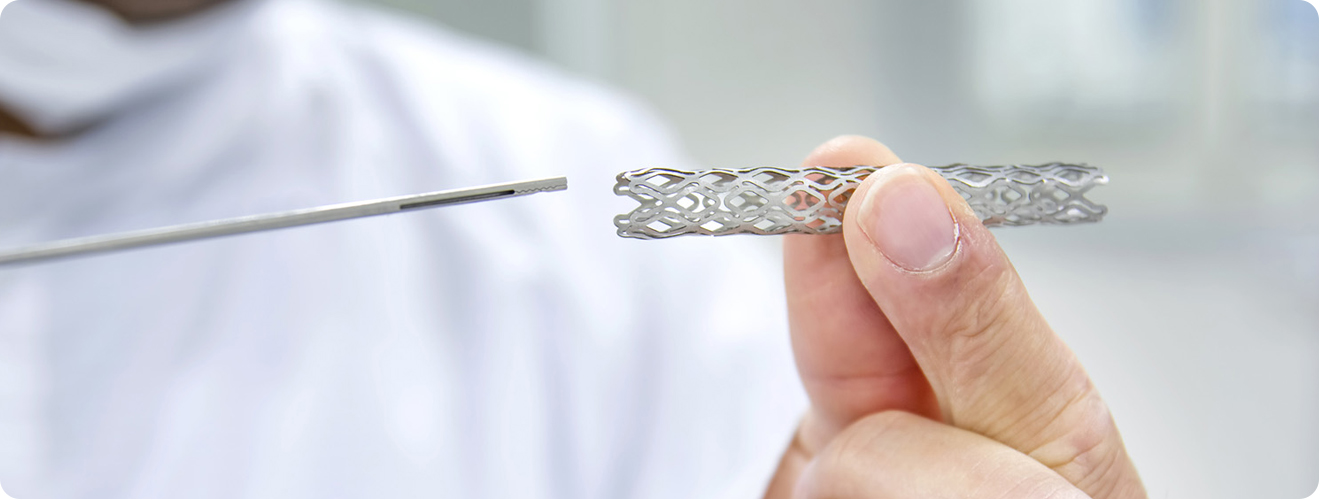
Heart disease remains one of the leading causes of death in Malaysia. According to the Malaysian Ministry of Health and international cardiovascular guidelines, coronary artery disease continues to affect thousands of Malaysians every year, often without obvious warning signs until symptoms become severe. When someone is told they need a heart stent, it is natural to have questions. Therefore, understanding the reason heart stents are recommended can help patients make informed decisions about their treatment and long-term heart health.
A heart stent is not necessary for everyone with heart disease. Instead, it is recommended for carefully selected patients with narrowed or blocked coronary arteries which reduces blood flow to the heart muscle. In many cases, placing a stent can quickly restore circulation, relieve symptoms such as chest pain, and reduce the risk of heart damage during a heart attack.
This guide explains what a heart stent is, why some patients need one, how the procedure works, its benefits and risks, and what recovery looks like. Whether you have recently been diagnosed with coronary artery disease or are supporting a loved one through treatment, understanding the role of heart stents can help you approach care with greater confidence.
A heart stent is a small expandable mesh tube inserted into a narrowed or blocked coronary artery. Its purpose is to keep the artery open after it has been widened during a procedure called coronary angioplasty, also known as percutaneous coronary intervention (PCI).
The coronary arteries supply oxygen-rich blood to the heart muscle. Over time, these arteries can become narrowed because of fatty deposits called plaque. This condition is known as coronary artery disease. When blood flow becomes restricted, patients may develop symptoms such as:
If the artery becomes completely blocked, it may cause a heart attack, making immediate treatment essential. Today, most stents used are drug-eluting stents. These release medication slowly to reduce the risk of the artery becoming narrow again after treatment.
Coronary artery disease develops gradually over many years. Cholesterol, inflammatory cells, calcium, and other substances accumulate inside the artery wall, creating plaque that narrows the blood vessel. As the blockage grows, the heart muscle receives less oxygen, particularly during exercise or emotional stress when the heart needs more blood. Common risk factors include:
In Malaysia, diabetes, hypertension, and obesity are major contributors to coronary artery disease, highlighting the importance of prevention, early screening, and timely treatment.
Not every blocked artery requires a stent. Cardiologists consider several factors before recommending treatment.
A stent may be recommended when an artery is narrowed enough to significantly reduce blood flow and cause symptoms or evidence of heart muscle damage. Diagnostic tests may include:
Many patients with stable angina initially receive medications to improve blood flow and reduce symptoms. However, if chest pain continues despite optimal medical therapy, angioplasty with stent placement may improve quality of life by restoring blood flow.
One of the most important situations requiring a heart stent is an acute heart attack. When a coronary artery suddenly becomes blocked by a blood clot, the heart muscle begins to die within minutes. Emergency angioplasty with stent insertion can reopen the artery and significantly reduce permanent heart damage when performed promptly.
International guidelines recommend primary percutaneous coronary intervention (PCI) as the preferred treatment for most patients experiencing ST-elevation myocardial infarction when available.
Certain blockages affect major coronary arteries that supply large portions of the heart muscle. Even if symptoms are not severe, these blockages may require intervention because of their potential to cause serious complications. The decision is based on imaging findings, the severity of narrowing, symptoms, heart function, and overall health.
Heart stent placement is a minimally invasive procedure performed in a specialised cardiac catheterisation laboratory. It is typically carried out to open a narrowed or blocked coronary artery and restore blood flow to the heart. During the procedure, the cardiologist first inserts a thin, flexible catheter into an artery, usually through the wrist or groin. Using real-time X-ray imaging, the catheter is carefully guided through the blood vessels until it reaches the affected coronary artery.
Once the narrowed area is identified, a small balloon at the tip of the catheter is inflated to widen the artery. A stent, a small mesh tube mounted around the balloon, expands as the balloon inflates. Once in position, the stent remains permanently in the artery, providing structural support and helping to keep the vessel open.
After the stent has been positioned, the balloon is deflated and removed along with the catheter. The stent remains in place, allowing blood to flow more freely through the artery. Most stent placement procedures take between 30 minutes and two hours, although the duration can vary depending on the location and complexity of the blockage. Patients are generally awake throughout the procedure and receive local anaesthesia, often combined with mild sedation to help them remain comfortable.
For carefully selected patients, heart stenting offers several important advantages and can be life-saving when performed early in patients experiencing an acute heart attack.
| Benefit | How It Helps |
|---|---|
| Restores blood flow | Improves oxygen supply to the heart muscle |
| Relieves angina | Reduces chest pain and discomfort |
| Improves exercise tolerance | Makes daily activities easier |
| Treats heart attacks | Limits permanent heart muscle damage |
| Minimally invasive | Smaller incisions and faster recovery than open-heart surgery |
Although coronary angioplasty is considered safe and routinely performed worldwide, every medical procedure carries some risks. Your cardiologist will discuss your individual risk profile before the procedure. Potential complications include:
Recovery is generally faster than after open-heart surgery. Most patients remain in hospital for one or two days, although some uncomplicated procedures may allow discharge within 24 hours. Recovery recommendations include:
Many patients can return to office-based work within one week, depending on their condition and recovery.
Receiving a stent does not eliminate coronary artery disease. Patients usually need long-term medications to reduce the risk of future complications. These commonly include:
Stopping antiplatelet medication without medical advice can significantly increase the risk of stent thrombosis, which is a medical emergency. Always discuss medication changes with your cardiologist.
A stent treats the blocked section of an artery, but it does not remove plaque elsewhere in the cardiovascular system. Long-term heart health depends on healthy lifestyle choices.
Reduce intake of sugary beverages, processed foods, trans fats, and foods high in salt and choose meals rich in:
Adults should aim for at least 150 minutes of moderate exercise each week, subject to their doctor’s advice. Walking, cycling, swimming, and light aerobic exercise are excellent choices after recovery.
Smoking damages blood vessels, accelerates plaque formation, and greatly increases the risk of another heart attack. Stopping smoking remains one of the most effective ways to improve cardiovascular health.
Controlling diabetes, hypertension, and high cholesterol significantly lowers future cardiovascular risk. Regular health screenings are particularly important for Malaysians with a family history of heart disease.
Some patients wonder whether they need a stent or coronary artery bypass graft surgery. The most appropriate treatment depends on several factors, including:
For extensive or complex disease involving multiple vessels, bypass surgery may provide better long-term outcomes. Your heart team will recommend the treatment most appropriate for your individual condition.

Seek medical evaluation promptly if you experience:
If symptoms suggest a heart attack, seek emergency medical care immediately. Early treatment saves heart muscle and can save lives.
Heart stents have transformed the treatment of coronary artery disease by providing a safe and effective way to restore blood flow without open-heart surgery for many patients. When recommended by an experienced cardiologist, a heart stent can relieve symptoms, improve quality of life, and, in emergency situations, save lives.
Early diagnosis remains the key to successful treatment. If you experience chest pain, shortness of breath, or have multiple cardiovascular risk factors such as diabetes, high blood pressure, or high cholesterol, do not delay seeking medical attention.

If you would like a comprehensive heart assessment or expert advice on coronary artery disease, angioplasty, or heart stent treatment, schedule a consultation with Dr. Mohd Tawfeq Mohd Noor, Consultant Physician and Interventional Cardiologist. Early evaluation can make a meaningful difference in protecting your heart and your future health.
No. Heart stent placement is a minimally invasive procedure performed through a catheter rather than open-heart surgery.
No. A stent treats a specific blockage but does not cure the underlying disease. Healthy lifestyle habits and ongoing medication remain essential.
The stent itself is designed to remain in the artery permanently. Maintaining heart health depends on controlling cardiovascular risk factors and following your treatment plan.
No. Patients cannot feel the stent once it has been placed.
Most patients can gradually return to exercise after recovery, based on their cardiologist’s recommendations.
Although modern drug-eluting stents have reduced the risk of re-narrowing, new blockages can develop if cardiovascular risk factors are not well controlled.
Disclaimer: This article is for general informational and educational purposes only and does not constitute medical advice, diagnosis, or treatment. Always consult a qualified cardiologist or healthcare professional for advice regarding heart stents and your individual condition.
References:
 Call Us
Spread the love, follow us on our social media channels