

Emergency Hotline
+(603) 5515 1999

Appointments
+(603) 5515 1966
General Line
+(603) 5515 1888

 October 13, 2026
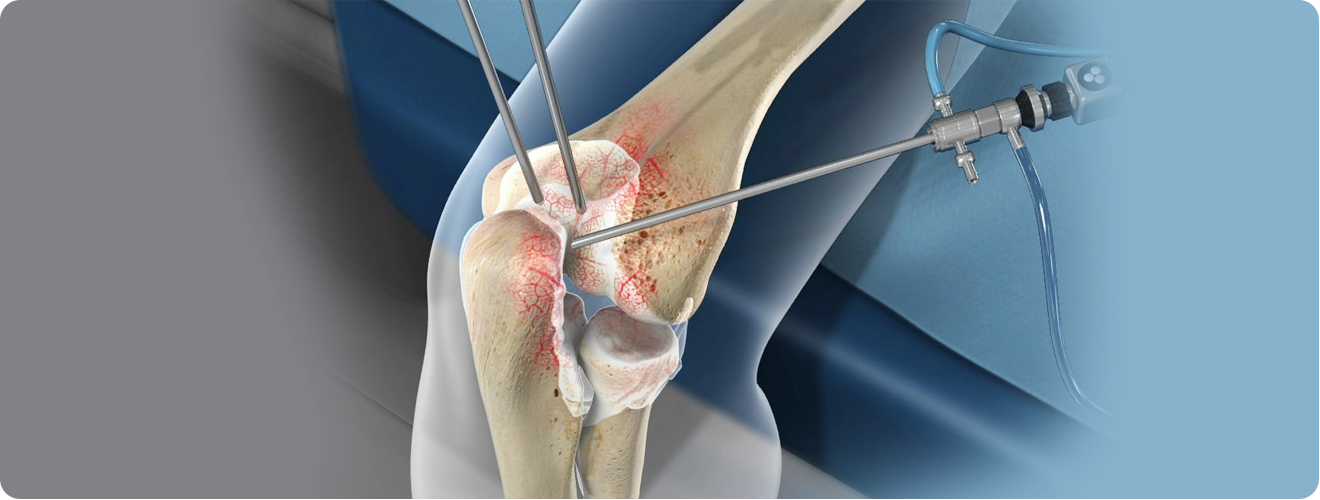
A sports injury can affect far more than your training; it can make everyday movements painful or difficult. Whether it’s a painful knee, an unstable shoulder or a persistent joint injury, timely and appropriate treatment is essential for a safe return to activity.
Arthroscopy is a minimally invasive surgical technique that allows an orthopaedic surgeon to examine and treat joint problems. It is commonly used for knee and shoulder injuries, as well as conditions affecting the ankle, hip, elbow and wrist. For those seeking sports injury treatment in Malaysia, understanding when arthroscopy may be recommended and what recovery involves can help you make informed decisions with your orthopaedic specialist.
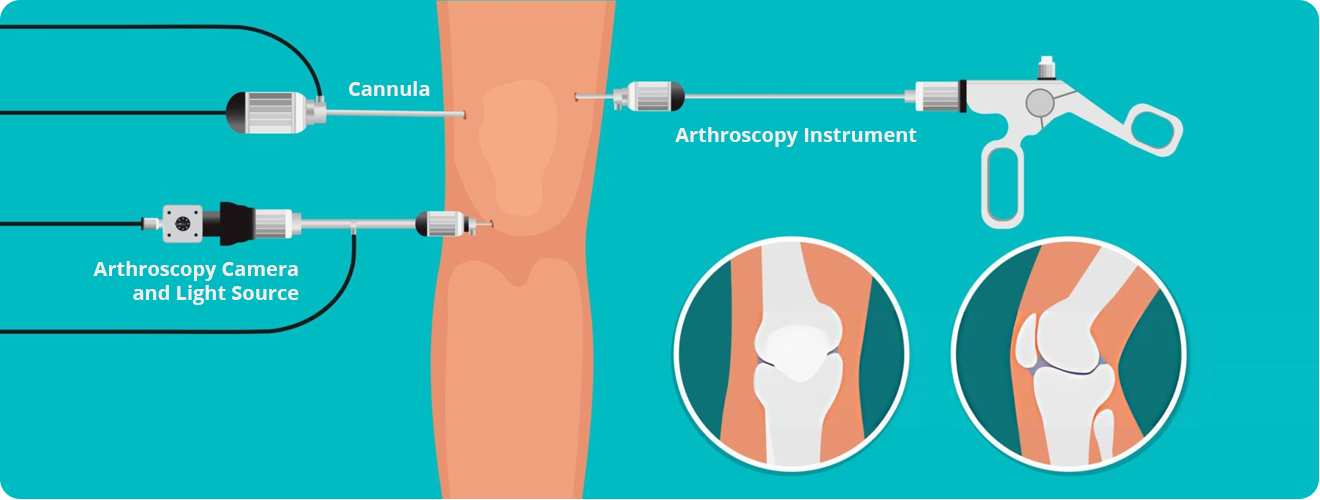
Arthroscopy is a minimally invasive procedure used to examine and treat problems inside a joint. During the procedure, the surgeon makes a small incision and inserts an arthroscope, a narrow instrument with a camera and light at its tip. The camera projects an enlarged view of the joint onto a monitor, allowing the surgeon to assess structures that cannot be seen directly from outside the joint.
Additional small incisions may be made to introduce specialised surgical instruments. Depending on the injury, these instruments can be used to repair tissue, remove damaged material or address other problems within the joint. The technique is sometimes described as keyhole surgery because the incisions are considerably smaller than those traditionally required for open surgery. However, minimally invasive does not mean minor. Arthroscopy is still surgery, and the recovery period depends greatly on what is found and what treatment is performed.
Sports place considerable demands on the joints. Running, jumping, sudden changes of direction, tackling, throwing and repetitive overhead movements can expose ligaments, cartilage, tendons and other structures to significant forces. Some injuries can be managed without surgery through rest, activity modification, medication when appropriate and physiotherapy. Others may require surgical treatment, particularly when there is significant structural damage or persistent instability. Arthroscopy may be considered when a joint injury causes symptoms such as:
It can also help clarify the cause of symptoms when physical examination and imaging do not provide a complete answer. The decision should always be individualised. An MRI finding alone does not necessarily mean that surgery is required.
Arthroscopy is particularly established in sports-related knee and shoulder surgery. Malaysian public-sector orthopaedic services also describe arthroscopic treatment for injuries involving the ACL, meniscus and joint cartilage of the knee, as well as Bankart lesions and rotator cuff injuries of the shoulder.
The knee is one of the most frequently injured joints in sports. ACL injuries can occur during sudden stops, changes of direction, awkward landings or contact. For athletes with instability or specific injury patterns, ACL reconstruction may be performed using arthroscopic techniques.
Meniscus tears are another common sports-related knee injury. Depending on the location and characteristics of the tear, the surgeon may be able to repair the meniscus or remove only the damaged portion. When surgery is appropriate, preserving healthy meniscal tissue is generally an important consideration because the meniscus contributes to the function and protection of the knee. Arthroscopy may also be used to treat selected cartilage injuries or remove loose fragments within the joint.
The shoulder has a wide range of movement, making it particularly important in sports such as swimming, badminton, tennis, volleyball and throwing activities. Arthroscopic procedures can be used for selected shoulder conditions, including shoulder instability, labral injuries and rotator cuff tears. For example, an arthroscopic Bankart repair may be considered for certain patients with recurrent anterior shoulder instability.
Evidence suggests that appropriately selected athletes can achieve favourable return-to-sport outcomes following arthroscopic shoulder stabilisation, although recurrence remains possible and outcomes vary according to the procedure and patient characteristics. Rotator cuff repair can also be performed arthroscopically in appropriate cases, with the surgeon using small incisions to access and repair the damaged tendon.
Arthroscopy is not limited to the knee and shoulder. It can also be used for selected problems affecting the ankle, hip, elbow and wrist. For example, ankle arthroscopy may be useful for certain forms of impingement, cartilage injury or problems associated with previous ligament injury. Recent clinical guidance also highlights the importance of selecting patients carefully because not every ankle condition is best treated arthroscopically.
The exact procedure depends on the joint and the injury being treated. Before surgery, your orthopaedic team will review your medical history, symptoms and imaging. You may undergo a physical examination and investigations such as X-rays or MRI, depending on the suspected injury.
On the day of surgery, the anaesthetic approach will be determined according to the procedure and your individual circumstances. Arthroscopy can involve local, regional or general anaesthesia. Once the joint is prepared, the surgeon creates a small portal for the arthroscope. Sterile fluid may be introduced into the joint to improve visibility. Additional small portals allow surgical instruments to be inserted when treatment is required. Depending on the injury, the surgeon may:
The procedure may be performed as day surgery in many cases, although this depends on the operation, the patient’s health and the hospital’s protocols.
The main attraction of arthroscopy is that it provides access to the joint through relatively small incisions. For appropriately selected patients, potential advantages include less disruption to surrounding soft tissue, smaller wounds and earlier mobilisation compared with some traditional open procedures. Arthroscopy can also allow diagnosis and treatment during the same operation.
However, it is important not to view arthroscopy as automatically superior to open surgery. Some injuries are better treated through an open or combined approach. The extent of bone damage, joint instability, deformity, the location of an injury and previous surgery can all influence the choice of procedure. A recent review of ankle arthroscopy, for example, emphasises that appropriate patient selection remains central to achieving good outcomes. The most suitable operation is therefore the one that best addresses the specific injury, rather than simply the one involving the smallest incision.
One of the most common questions after arthroscopic surgery for sports injuries is, “When can I play again?” There is no single answer. Recovery depends on what was done during surgery. Someone undergoing a straightforward diagnostic or minor arthroscopic procedure may recover considerably faster than someone undergoing ACL reconstruction, meniscus repair or rotator cuff repair.
In general, patients may experience pain and swelling during the early recovery period. Ice, elevation, prescribed medication and temporary protection such as crutches or a sling may be recommended depending on the operation. Rehabilitation exercises are often an important part of recovery.
Successful sports injury treatment does not end when the surgical wounds heal. Physiotherapy and structured rehabilitation help restore:
Returning to sport too quickly can increase the risk of reinjury. Your surgeon and rehabilitation team should determine when you are ready to progress from daily activities to exercise, training and eventually competitive sport.
For some procedures, returning to sport may take several months. ACL reconstruction and certain cartilage procedures, for example, typically require a substantially longer rehabilitation period than minor arthroscopic procedures. Recovery following rotator cuff repair can also be prolonged because the repaired tendon needs time to heal before strength can be rebuilt
These stages are a general guide rather than a fixed timetable. Your recovery plan should be based on the specific procedure you undergo.
| Recovery stage | What may happen |
|---|---|
| First few days | Pain and swelling are managed; mobility may be limited depending on the procedure |
| Early rehabilitation | Gentle movement and prescribed exercises begin when appropriate |
| Strength and mobility phase | Physiotherapy progresses to improve range of motion and muscle function |
| Sport-specific rehabilitation | Running, agility, strength or throwing activities may be introduced progressively |
| Return to sport | Clearance is based on healing, strength, stability, function and the demands of the sport |
Arthroscopy is generally considered a safe procedure, but no surgery is completely risk-free. Potential complications include infection, bleeding or excessive swelling, blood clots and injury to nerves or other structures around the joint. Anaesthesia also carries potential risks. Serious complications are uncommon, but your surgeon should explain the risks relevant to your specific operation before you consent to treatment.
After surgery, contact your medical team if you develop symptoms such as fever, worsening or uncontrolled pain, significant swelling, wound drainage, changes in skin colour or new numbness or tingling.
Not everyone with a sports injury needs surgery. For some patients, symptoms improve with appropriate rehabilitation, activity modification and other non-surgical treatment. For others, surgery may be considered when structural damage causes persistent symptoms or instability. An orthopaedic assessment is particularly important if you have ongoing pain, recurrent swelling, locking, loss of movement or a joint that repeatedly gives way. Your specialist may consider several factors before recommending arthroscopy, including:
This individual assessment is particularly important for athletes because the demands of a professional or competitive sport can be very different from those of recreational exercise.
For many active people, the ultimate concern is not simply reducing pain. It is returning to the activities they enjoy. Evidence shows that arthroscopic procedures can provide favourable return-to-sport outcomes for appropriately selected injuries, but returning to the same level of sport is not guaranteed More recent research continues to show that return-to-sport outcomes can vary according to the type of procedure, sport, athletic level and follow-up period.
The message is simple: Successful surgery is one part of the journey. A carefully planned rehabilitation programme is equally important.
Before deciding on arthroscopy, consider asking:
These questions can help you make a more informed decision rather than focusing only on the promise of a faster recovery.
A sports injury does not have to mean giving up the activities you enjoy. The right treatment starts with an accurate diagnosis and a clear understanding of your options. If you are experiencing persistent joint pain, instability or symptoms following a sports injury, an assessment by an experienced orthopaedic specialist can help determine whether conservative treatment, arthroscopy or another approach is most appropriate for you.
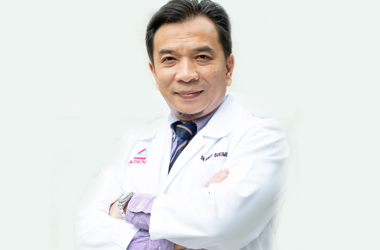
For patients seeking specialist assessment in Malaysia, learn more about Dr Ariff Sukimin bin Mohammad Shukri, our Resident Consultant Orthopaedic Surgeon with a special interest in sports medicine and arthroscopic surgery for knee, shoulder and ankle injuries. He holds a Master of Surgery (Orthopaedic) from Universiti Kebangsaan Malaysia and completed a fellowship in Shoulder Arthroscopy in Seoul, Korea. He also holds a FIFA Diploma in Football Medicine.
Book a consultation with Dr Ariff Sukimin to discuss your symptoms, treatment options and the safest path back to an active lifestyle.
Medical disclaimer: This article is intended for general health education and does not replace an individual assessment by a qualified healthcare professional. Treatment decisions, including whether arthroscopy is appropriate, should be made after a clinical evaluation and discussion of the potential benefits, risks and alternatives.
Yes. Arthroscopy uses a small camera and specialised instruments introduced through small incisions rather than requiring a large open incision. However, it remains a surgical procedure and may involve significant rehabilitation depending on what is repaired.
The duration varies according to the joint and the procedure being performed. A simple diagnostic procedure may differ substantially from complex ligament or tendon reconstruction. Your surgeon can provide a more accurate estimate after assessing your injury.
Some pain, swelling and stiffness are expected after surgery. Pain management and rehabilitation are tailored to the procedure. The amount of discomfort and how long it lasts vary from person to person.
There is no universal return-to-sport timeline. Minor procedures may allow a relatively quick return to activity, while ACL reconstruction, meniscus repair, cartilage procedures and tendon repairs can require months of rehabilitation. Your return should be based on healing, strength, movement, stability and sport-specific function rather than a calendar date alone.
Some meniscus tears can be managed without surgery, depending on their location, size, symptoms and the patient’s circumstances. If symptoms persist despite appropriate non-surgical treatment or the knee locks, surgery may be considered.
Not necessarily. Arthroscopy can offer important advantages for appropriately selected conditions, but some injuries are better treated using open or combined techniques. The best approach depends on the specific injury and the patient’s individual circumstances.
No. Many sports injuries can be treated without surgery. Arthroscopy is considered when the expected benefits of surgery outweigh the risks and when the injury is suitable for arthroscopic treatment.
 Call Us
Spread the love, follow us on our social media channels